
You already paid to turn your logo into an embroidery file. You shouldn’t have to start from scratch every time you want to put that logo on another product. With print on demand, your digitized embroidery file can become a reusable brand asset, allowing you to create consistent embroidery across dozens of apparel products.
Here’s why re-using digitized files will maximize your investments and some key things to know when you actually need to set up a new file.
But First, What Is a Digitized Embroidery File?
Embroidery digitization converts your artwork into instructions an embroidery machine can read. Instead of simply storing an image, the file contains the stitch information needed to build your design in thread.
That includes things like stitch direction, density, sequencing, and other production details. This is why an embroidery file is different from a PNG, JPG, or SVG.
Once your design has been digitized, you can reuse that completed file for compatible embroidery products instead of paying to digitize the same artwork again.
How to Reuse a Digitized File in Apliiq
Reusing a digitized embroidery file is simple in Apliiq’s new product customizer. Here’s a quick video that shows you how simple it is (note it’s only 60 seconds)
Here is a link to a help file that shows you exactly how.
When Reusing Digitized Files, Here’s What You Can and Can’t Change:
This is the part worth knowing because it will help you plan investments in embroidery files and product collections. Once an embroidery file has been digitized, its production specifications are set. You can still make some changes to the placement, but not the file itself.
You can:
- Move the embroidery within the available placement area
- Rotate the artwork
- Remove it from the product
- Use the same digitized artwork on another compatible product
You can’t:
- Resize the digitized embroidery
- Change its embroidery colors
- Recolor the original artwork
- Switch the file from embroidery to another decoration method
Apliiq locks these controls because changing the physical size or stitch construction can affect stitch density, stitch count, underlay, registration, and the final sewout.
Invest in Embroidery, But Invest Wisely
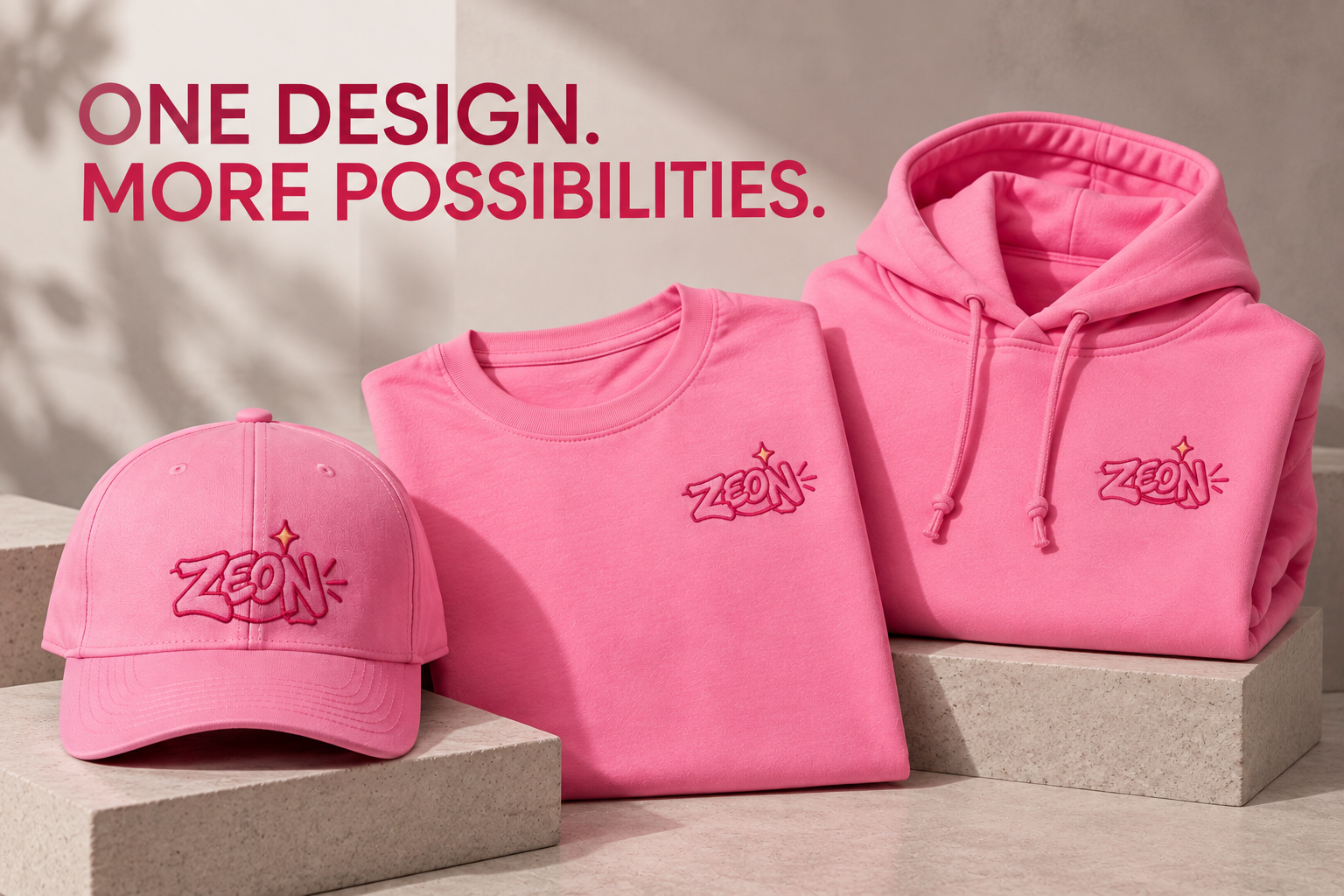
Since resizing and recoloring aren’t options once a file is digitized, the smartest move is to plan for reuse before you digitize.
Embroidery works best for simple logos and designs that don’t rely on fine detail or complex color blending, the kind of artwork that translates cleanly across different products. When you digitize, think ahead to where else this logo might end up. A size that works well on a left chest (typically 2.5″–3″) will usually work on hats, bags, and other small-placement items too, so you get more mileage out of a single file.
The same logic applies to color. Choose thread colors that hold up against the base garment colors in your collection, rather than colors that only work on one specific shirt. A little upfront planning here means one digitized logo can outfit an entire product line, sometimes 10 or more products, instead of a single SKU.
Relive the Good Old Times
As your embroidery library grows, don’t let those files sit idle. A logo you digitized two years ago can be dropped straight into your next collection, no new setup cost, no waiting on digitizing turnaround.
Revisiting old designs isn’t just convenient; it’s smart business. Customers often respond well to familiar branding, and a proven design can carry it. Treat your embroidery library as a reusable asset, not a one-time expense; the files you invest in today can keep paying off for years.
The Bottom Line
Your digitized embroidery file isn’t a one-product asset. It’s part of your brand’s production library. Reuse it when the product, size, colors, and embroidery setup fit. Go back to the original artwork when they don’t. That simple distinction can save you unnecessary setup work while keeping your embroidery consistent as your product line grows.
Ready to build the next product? Explore Apliiq’s custom embroidery options, or open your existing artwork in the Customizer and see which products your digitized file can work on.
FAQ
Does Apliiq automatically waive the digitizing fee if I reuse a file? Yes – if you upload a file to the Customizer that’s already been digitized, the digitizing fee is waived automatically on that order.
Can I reuse a digitized embroidery file?
Yes. A completed digitized embroidery file can be reused for compatible products. In Apliiq, you can select previously digitized artwork from your Artwork library instead of submitting the same design for digitization again.
Can I resize an existing embroidery file?
Not in Apliiq’s Customizer. Digitized embroidery has a production-ready size, and the resize control is locked. A different size may require the artwork to be digitized again.
Can I change the color of a digitized embroidery file?
Not after selecting the completed digitized file in Apliiq. Its embroidery colors are part of the production setup and remain locked.
Can I use an embroidery file for printing?
No. A digitized embroidery file is prepared specifically for embroidery and cannot simply be switched to digital print, transfer print, or screen print. Those decoration methods use different production processes.
Do I need to digitize my logo every time I make a new embroidered product?
No. If you already have a completed digitized file that matches the required production setup, you can reuse it. A new file may be needed when the size, colors, artwork, or production requirements change.
What file should I keep for future embroidery?
Apliiq will keep both your original high-resolution artwork and your completed digitized embroidery file. The original artwork gives you a clean source for future versions, while the digitized file contains the stitch instructions used for embroidery.
Can I use the same embroidery file on hats and shirts?
Not always. Product shape, available embroidery area, and construction can affect how a design needs to be digitized. For example, Apliiq limits hat and beanie embroidery to approximately 4″ × 2″, compared with larger embroidery areas available on some garments.